Learn the market. Review the trade. Improve the decision.
A growing education library for traders using stocks, options, forex, futures, crypto, and broker exports. Built to connect lessons directly back to your journal.
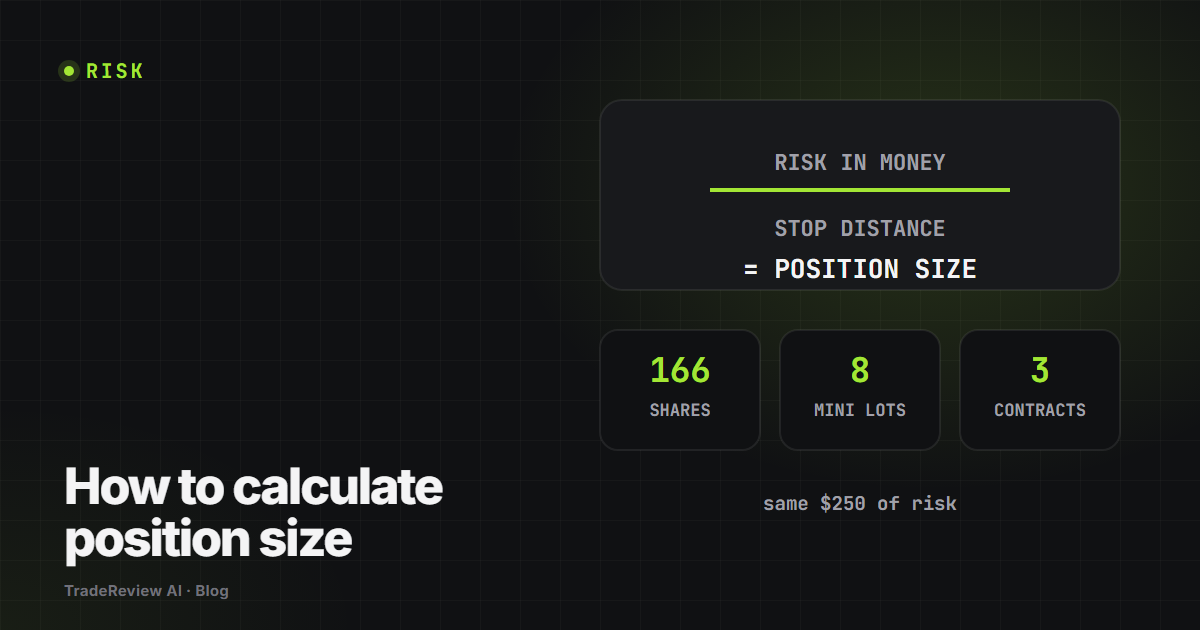
How to calculate position size without guessing
The position sizing formula for stocks, forex, futures and crypto, with worked examples, and why the stop distance - not the account size - is what actually decides the number.
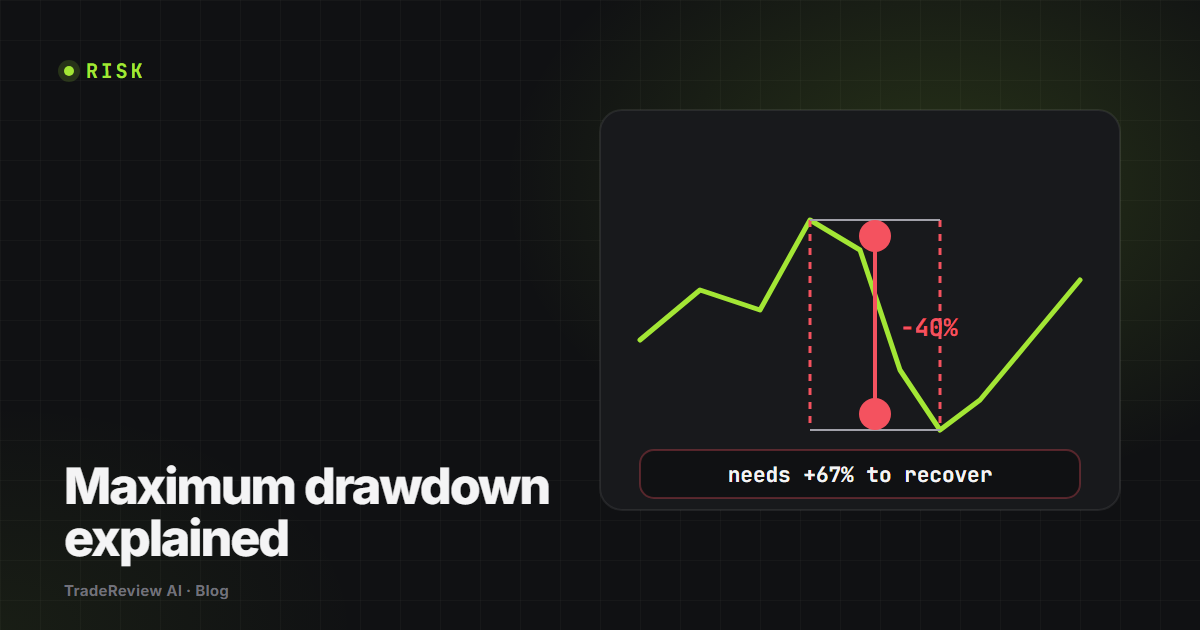
Maximum drawdown, and why recovering is harder than losing
What maximum drawdown measures, the recovery maths that makes deep drawdowns so expensive, what counts as acceptable, and how daily drawdown differs on a prop firm account.
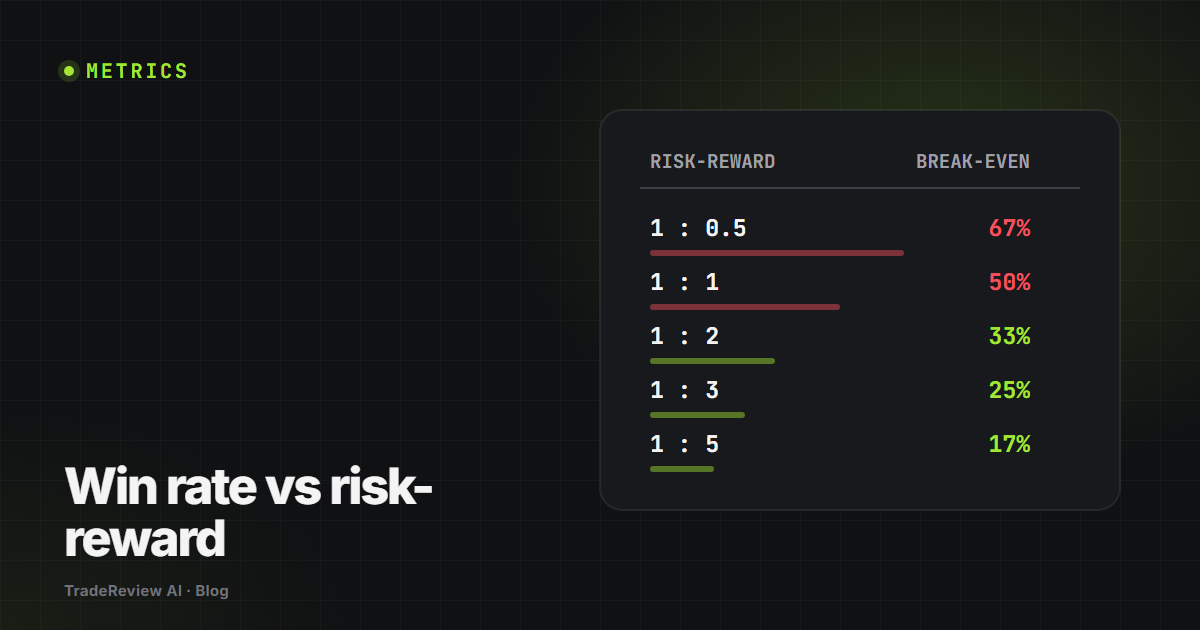
Win rate means nothing without risk-reward
The break-even win rate table for every risk-reward ratio, why a 30% win rate can be profitable, and how to work out whether your own win rate is good enough.
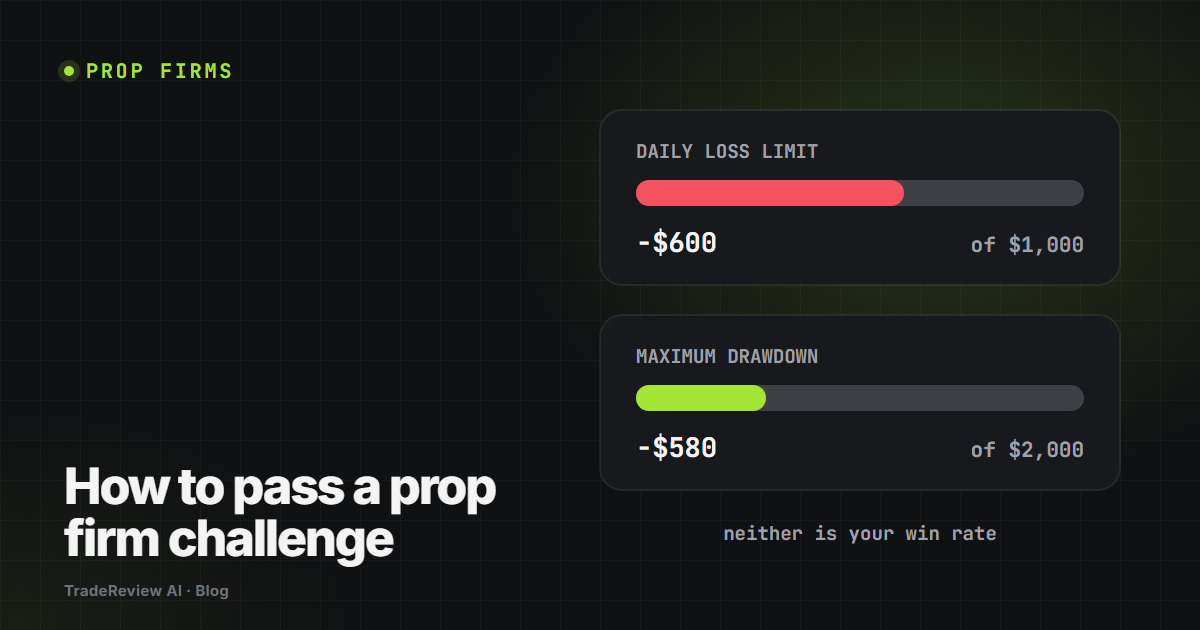
How to pass a prop firm challenge
Why most prop firm evaluations fail on drawdown rather than strategy, how to size for the daily loss limit, the consistency rules, and what to track while the account is live.
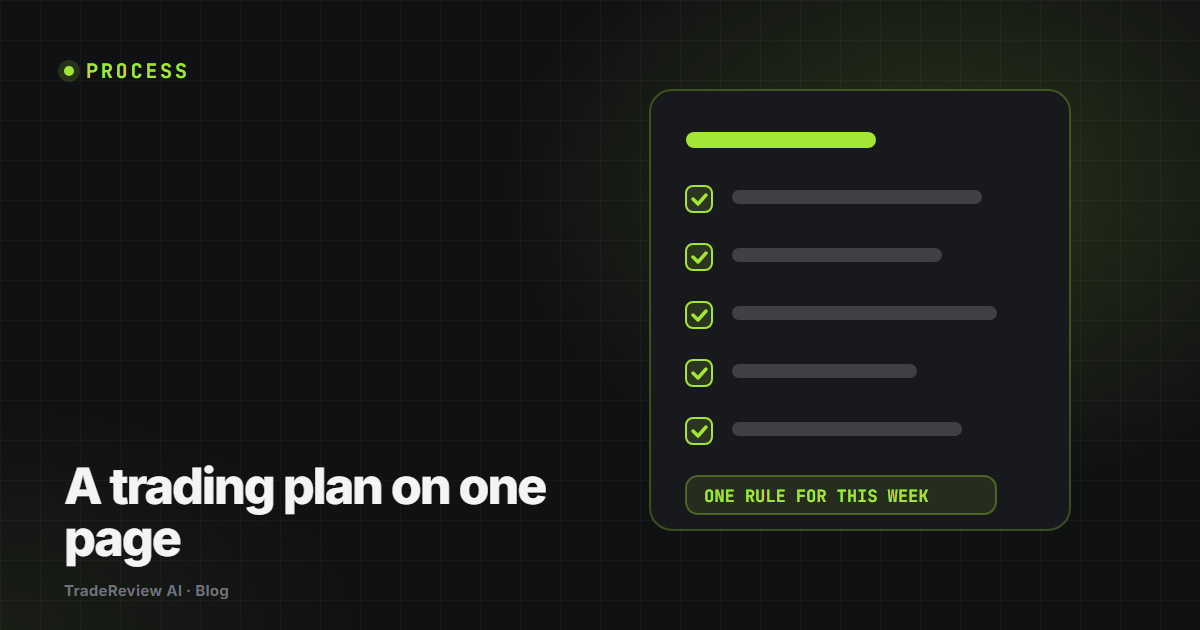
A trading plan that fits on one page
A trading plan template you will actually use: the six sections that matter, what to leave out, and how to check whether you followed it.
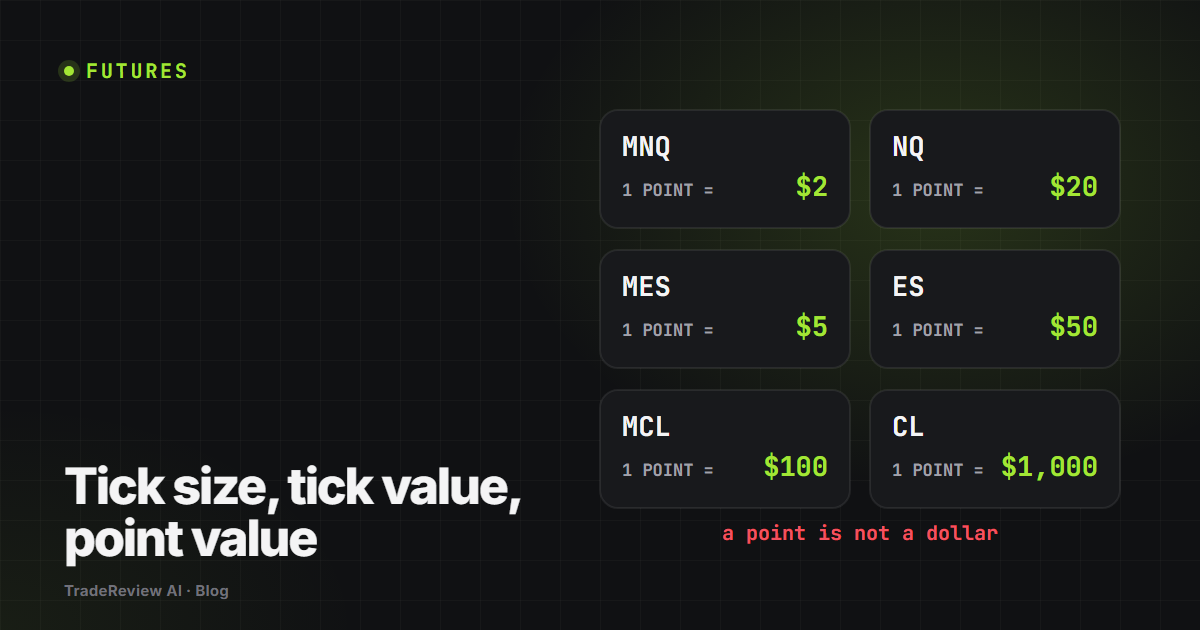
Why your futures P/L comes out wrong in a spreadsheet
Tick size, tick value and point value explained, with a table for the common contracts, and why subtracting entry from exit gives you points rather than money.
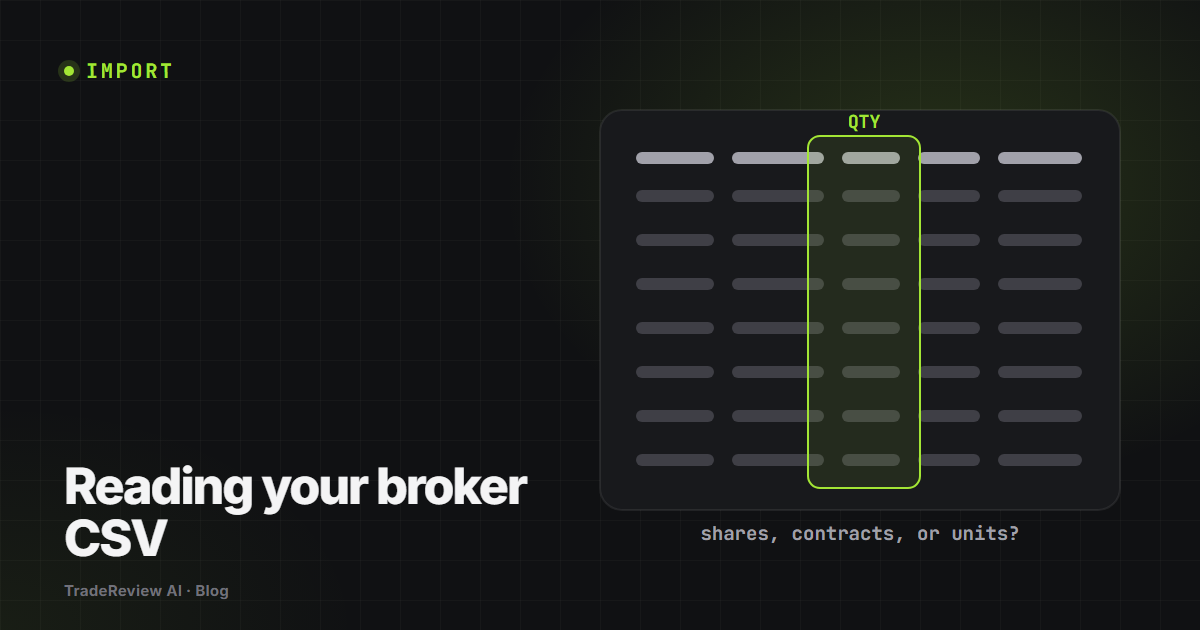
What the columns in your broker export actually mean
How to read a broker CSV: fills versus round trips, which P/L column to trust, why quantity means three different things, and what to do with rows that are not trades.
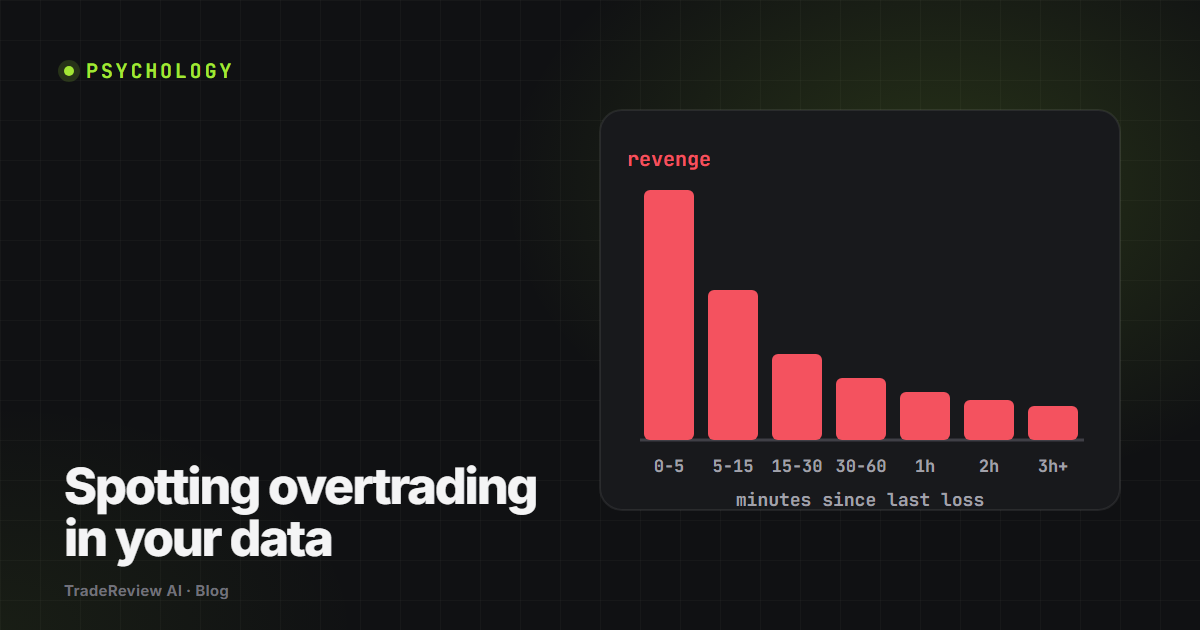
Overtrading has a signature, and it is measurable
Four numbers that reveal overtrading in your own journal, why trade count alone is not one of them, and what to do once you can see it.
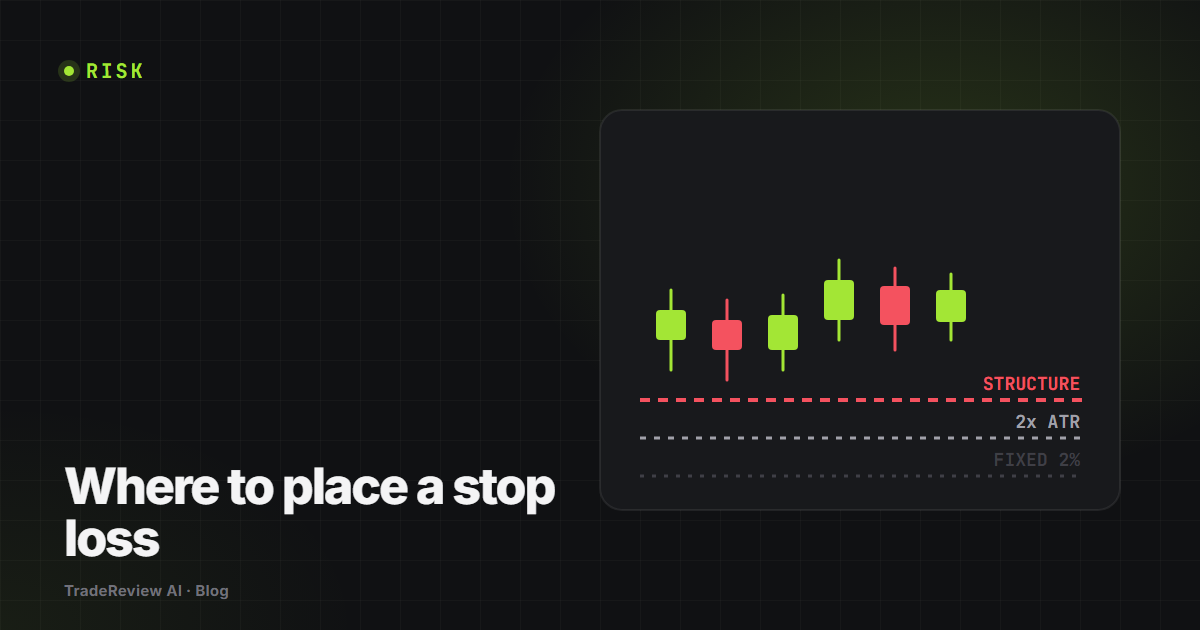
Three ways to place a stop, and when each one fits
Structure stops, ATR stops and percentage stops compared, why a stop should be placed where you are wrong rather than where you are comfortable, and how to tell which method suits your setup.
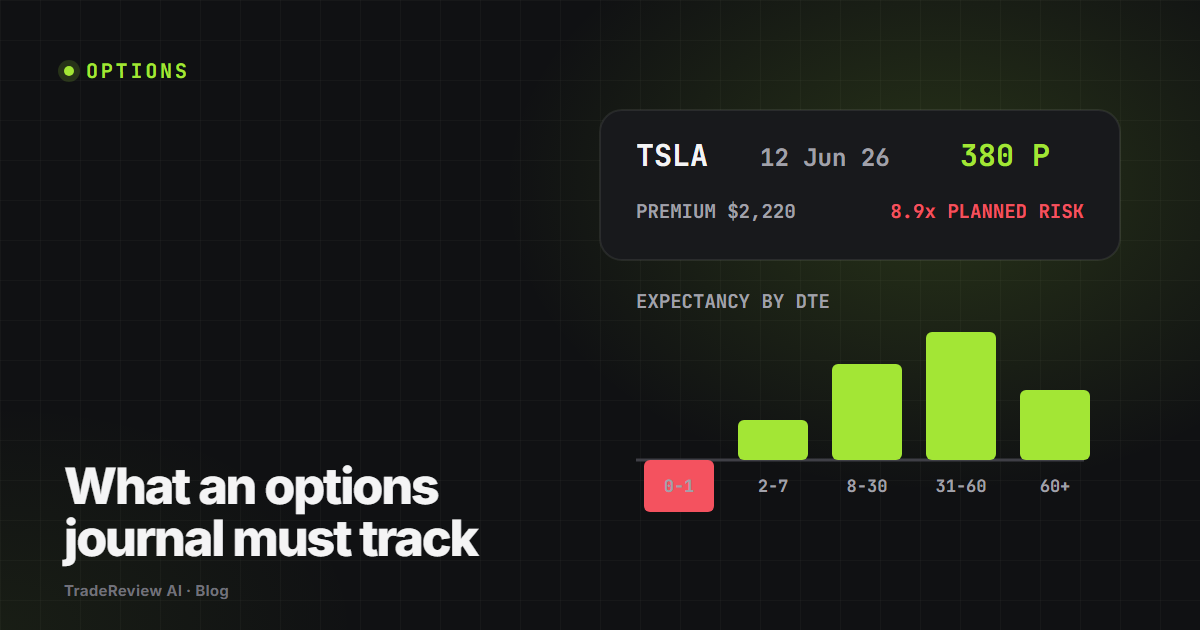
What an options journal has to record that a stock journal does not
The fields an options trading journal needs beyond entry and exit: strike, expiry, days to expiration, implied volatility at entry, and why premium paid is your real risk.
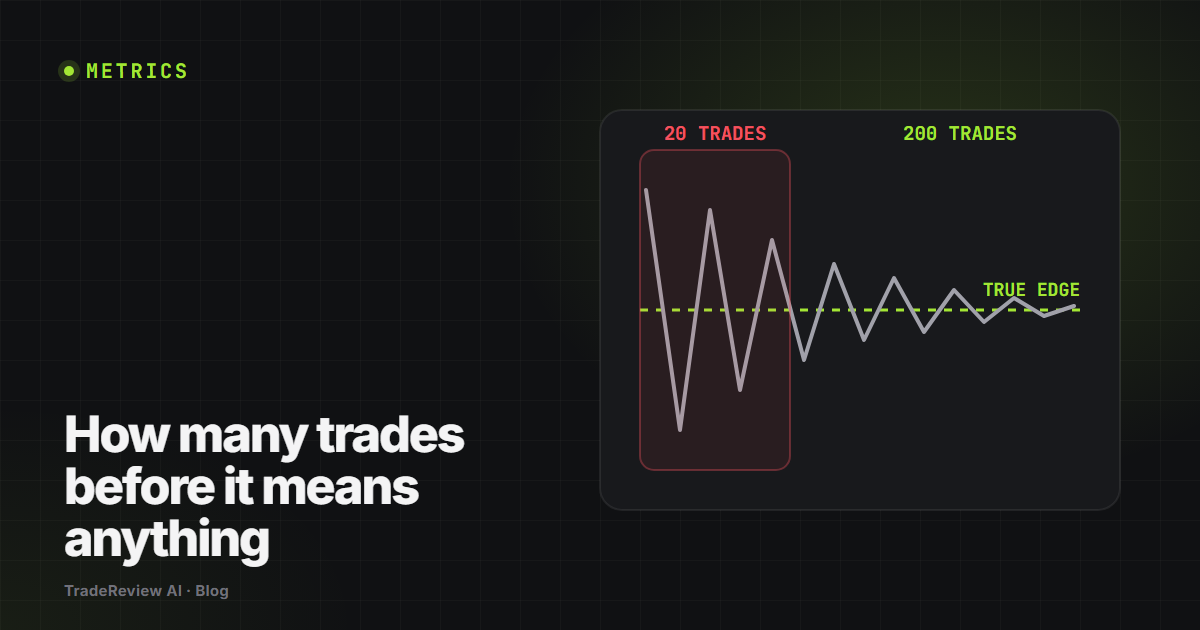
How many trades before you can trust your own numbers
Why twenty trades tell you nothing, roughly how many you need before a win rate or expectancy is meaningful, and how to get useful answers from a small sample.
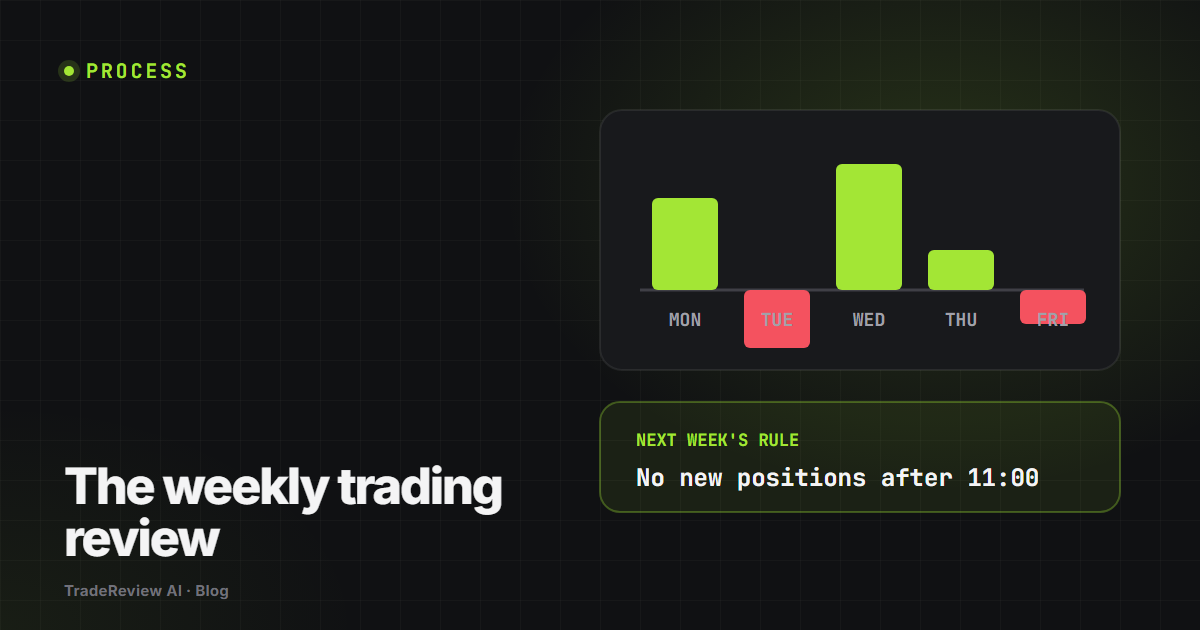
A weekly review that produces one rule, not a feeling
A thirty-minute weekly trading review structure: the five questions to ask, what to ignore, and why the output should be a single rule for next week.
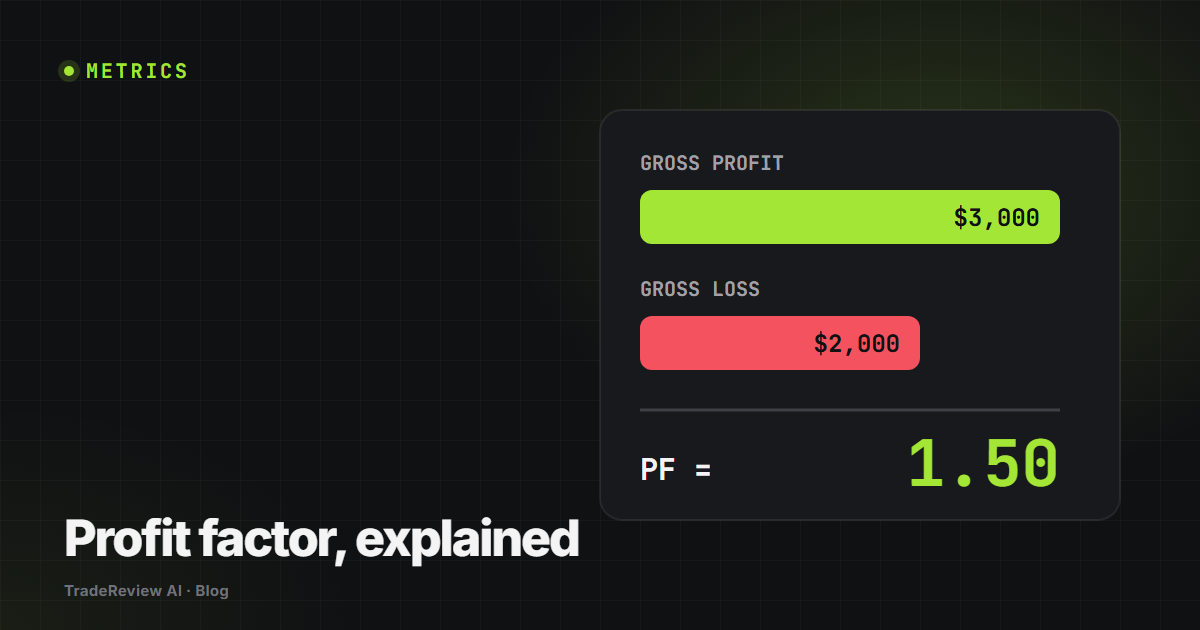
Profit factor: what it measures and what a good number is
How to calculate profit factor, what counts as a good profit factor for day traders and swing traders, and the sample-size traps that make it lie.
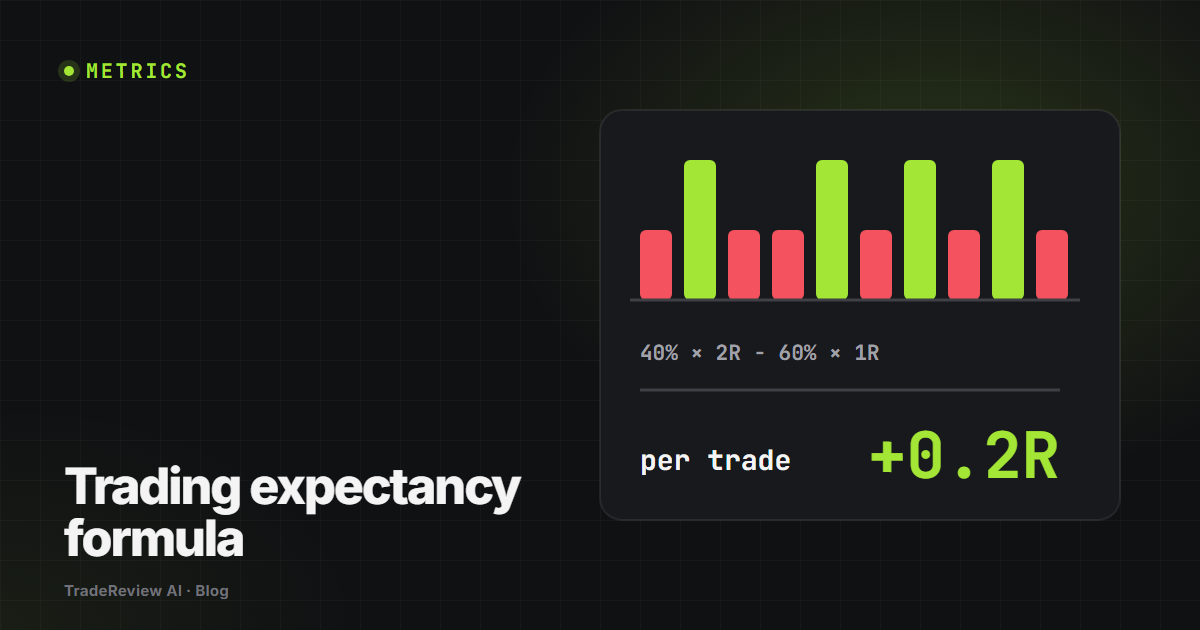
Trading expectancy: how much each trade is worth on average
The trading expectancy formula with worked examples in dollars and R, how to read a positive or negative result, and how many trades you need before trusting it.
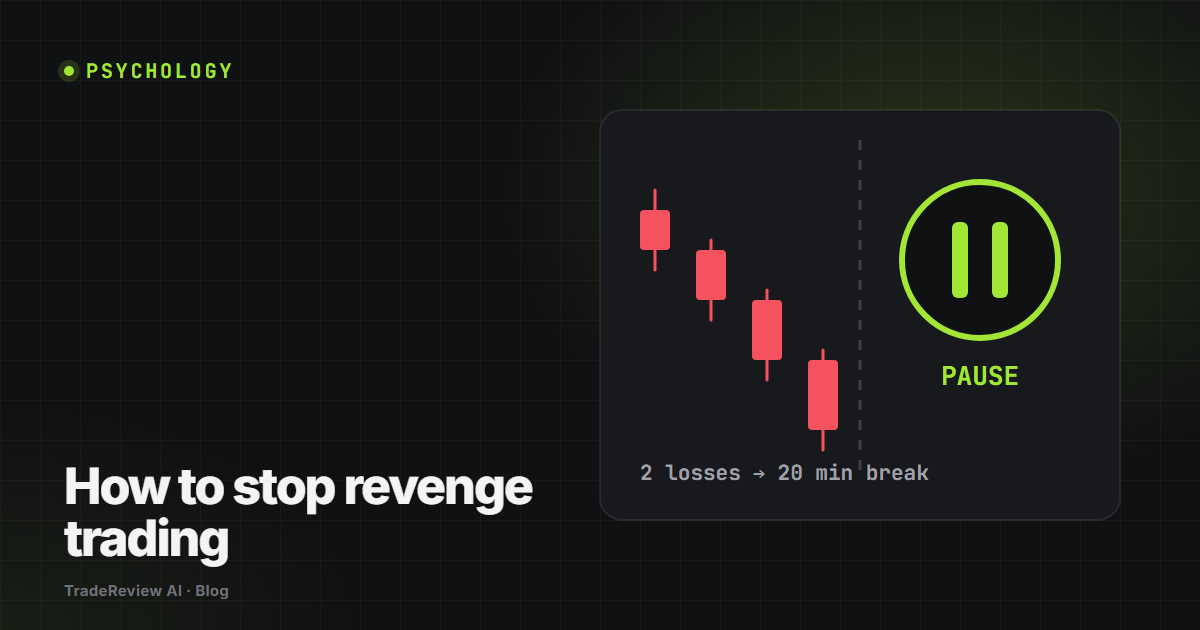
How to stop revenge trading
Why revenge trading happens after a loss, the warning signs to watch for, and five simple rules plus a journal check that break the cycle.
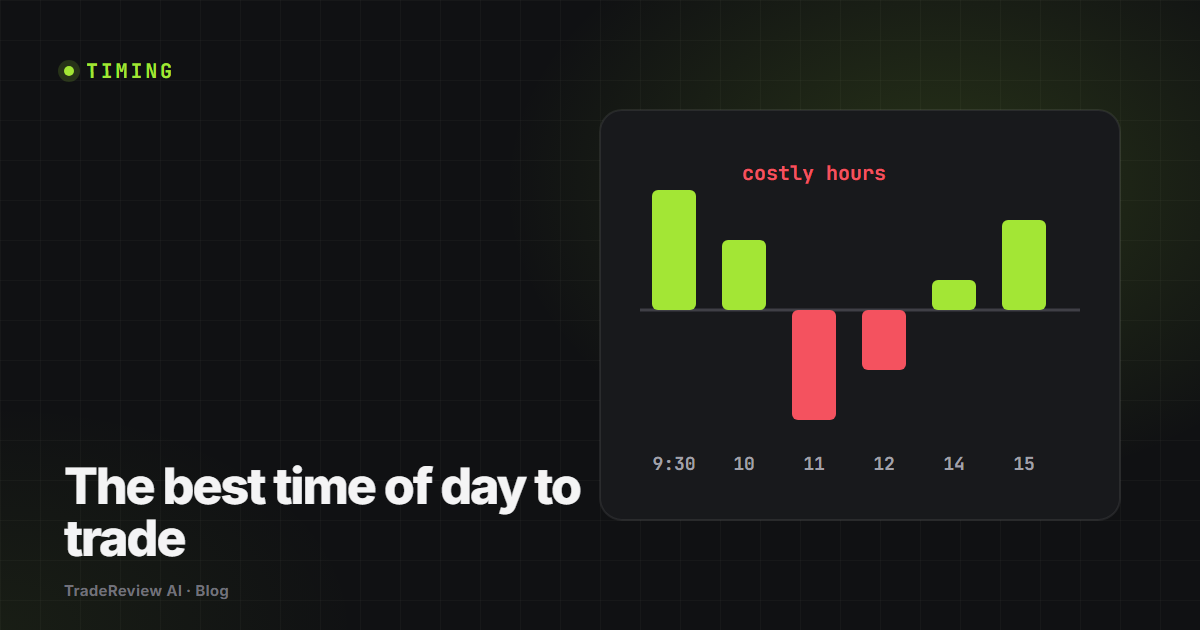
The best time of day to trade is in your own trade history
General market timing patterns, and a simple way to find which hours of the day make you money and which quietly cost you, using your own journal.
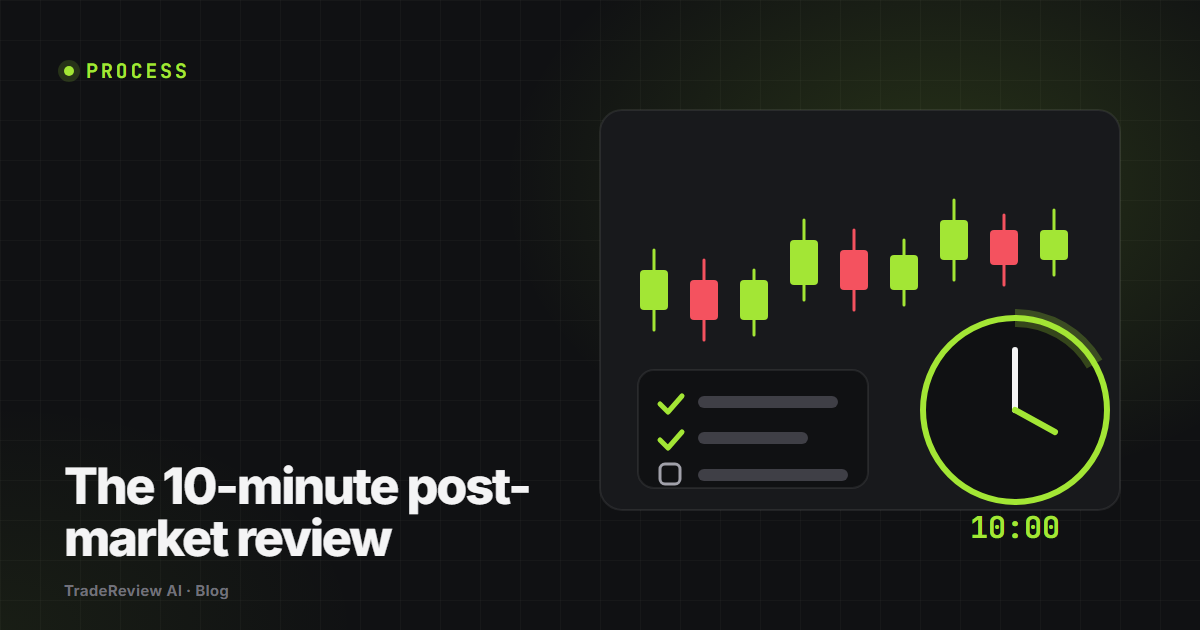
The 10-minute post-market review
A focused sequence for reviewing executions while the context is fresh without turning journaling into homework.
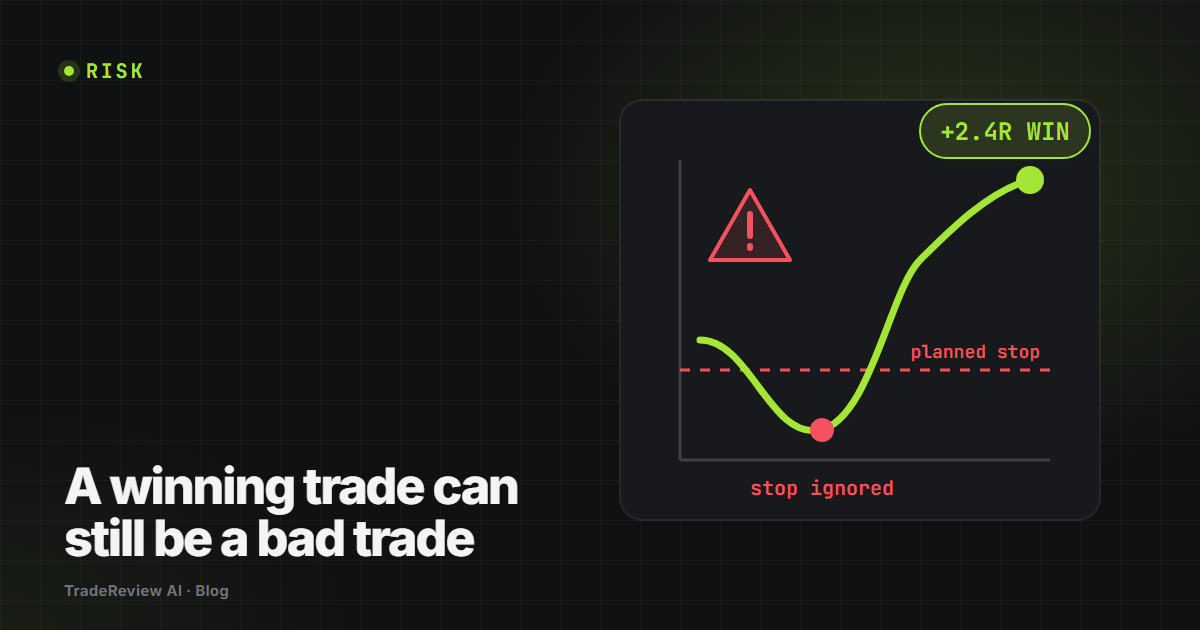
Why a winning trade can still be a bad trade
Outcome and decision quality are different. Review risk violations even when the P/L is green.
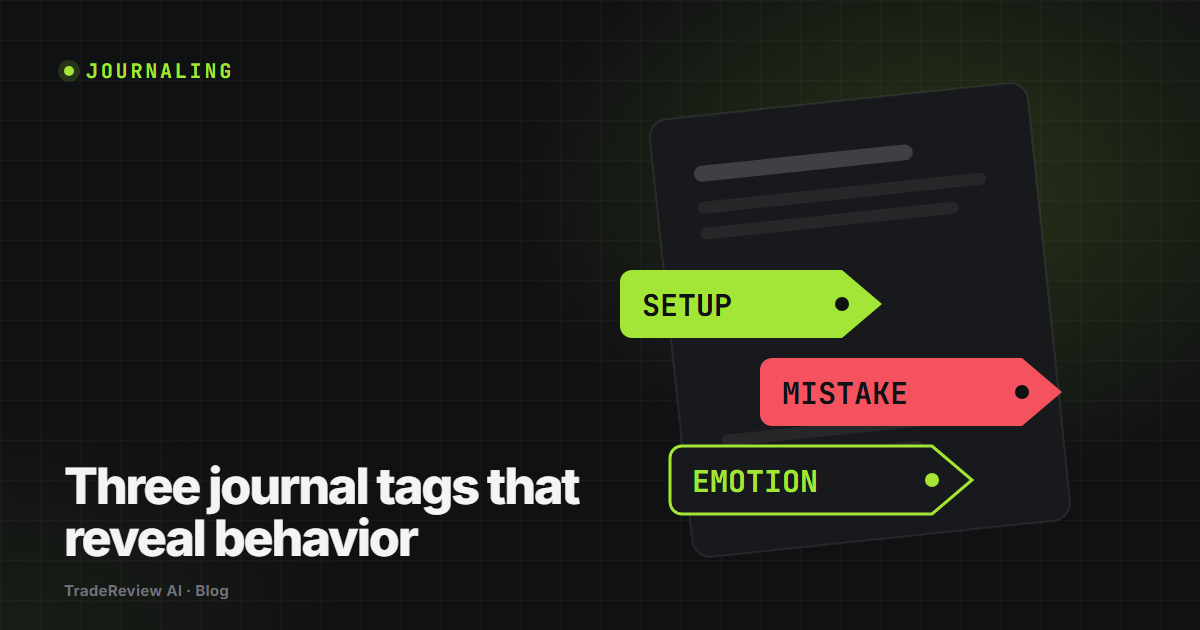
Three journal tags that reveal behavior
Use setup, mistake, and mindset tags to separate strategy problems from execution and emotional leaks.
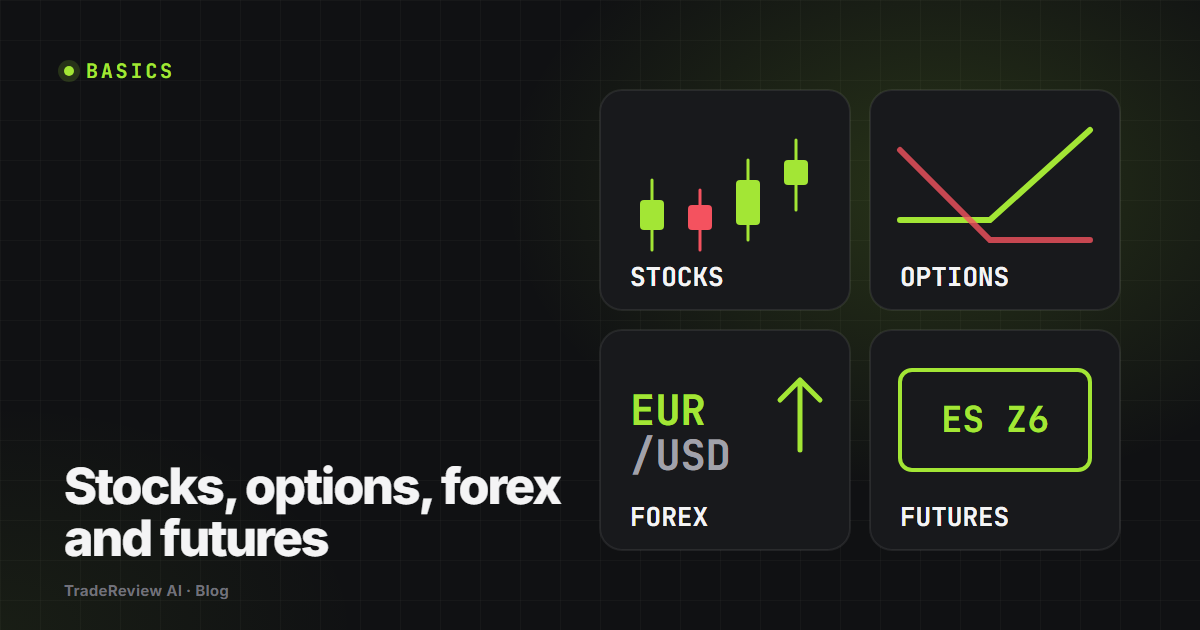
Stocks, options, forex, and futures: what changes?
A clean map of the major markets so traders can journal the right fields without forcing every trade into one format.
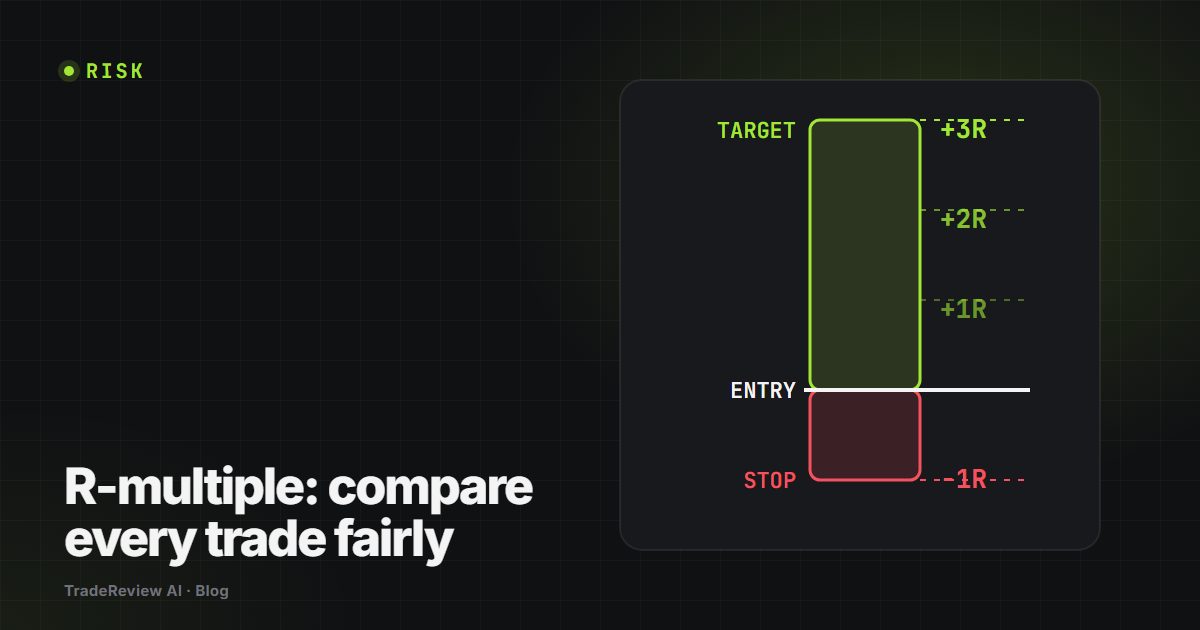
R-multiple: compare every trade fairly
Use planned risk, actual risk, and R to compare stocks, options, forex, futures, and crypto without confusing dollars with discipline.
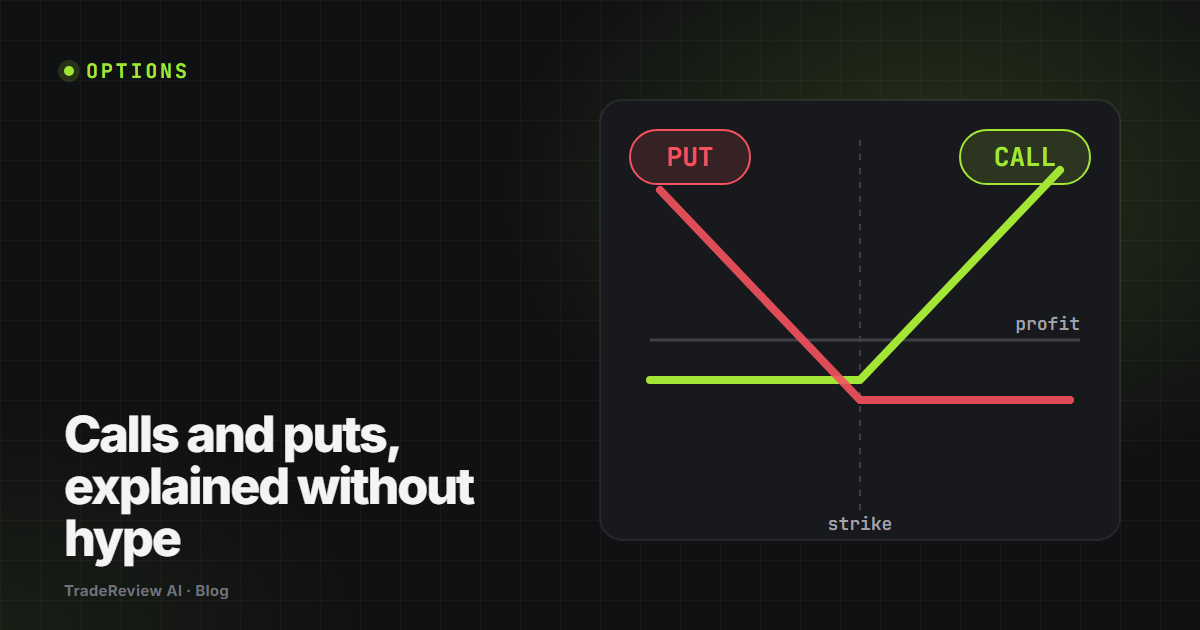
Calls and puts explained without hype
Learn premium, strike, expiration, intrinsic value, time decay, breakeven, and the journal questions every options trader needs.
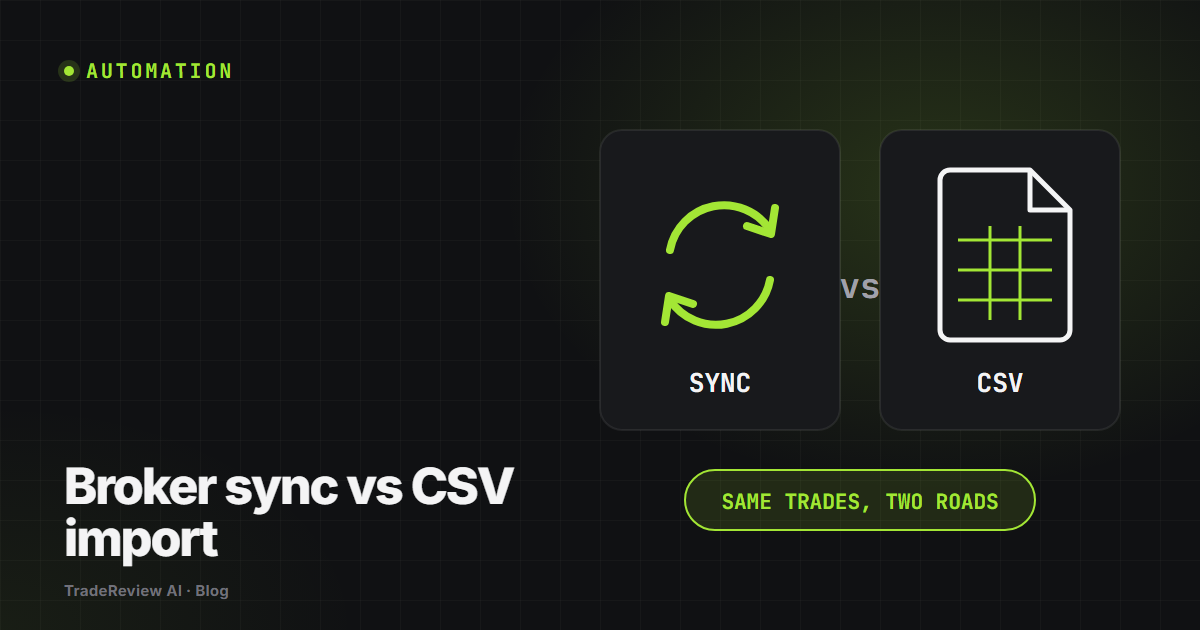
Broker sync vs CSV import
What auto-sync can do, why CSV still matters, and how to keep broker data secure while TradeReview prepares provider integrations.
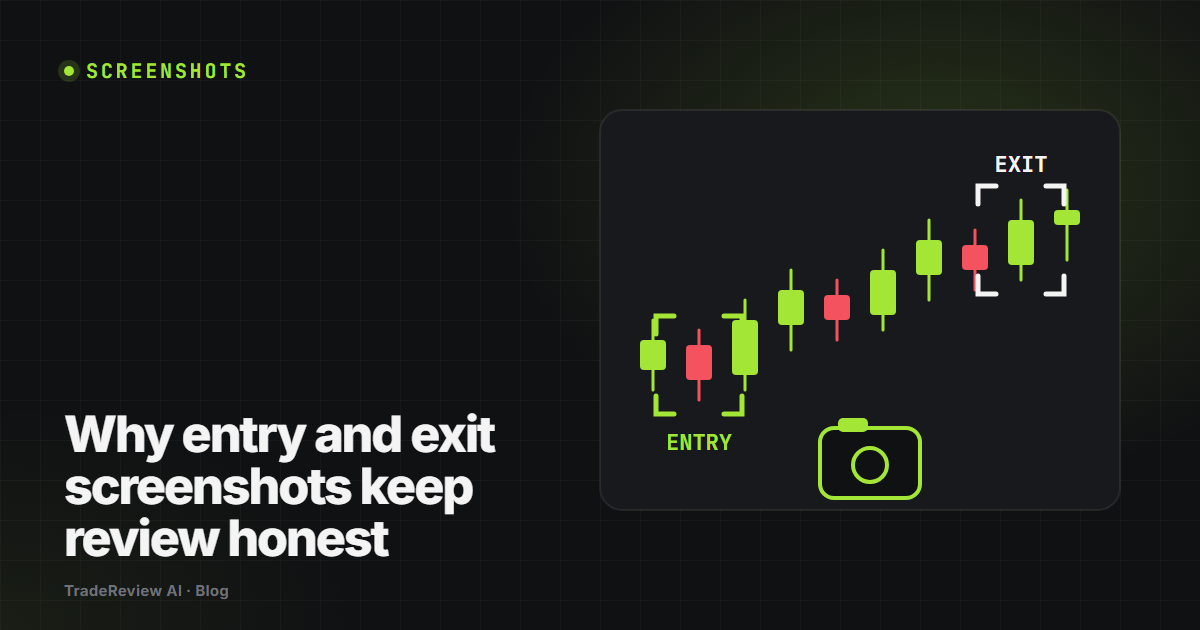
Why entry and exit screenshots make review honest
Charts reduce hindsight. Learn what to capture, where to mark entry and exit, and how replay video improves your review.
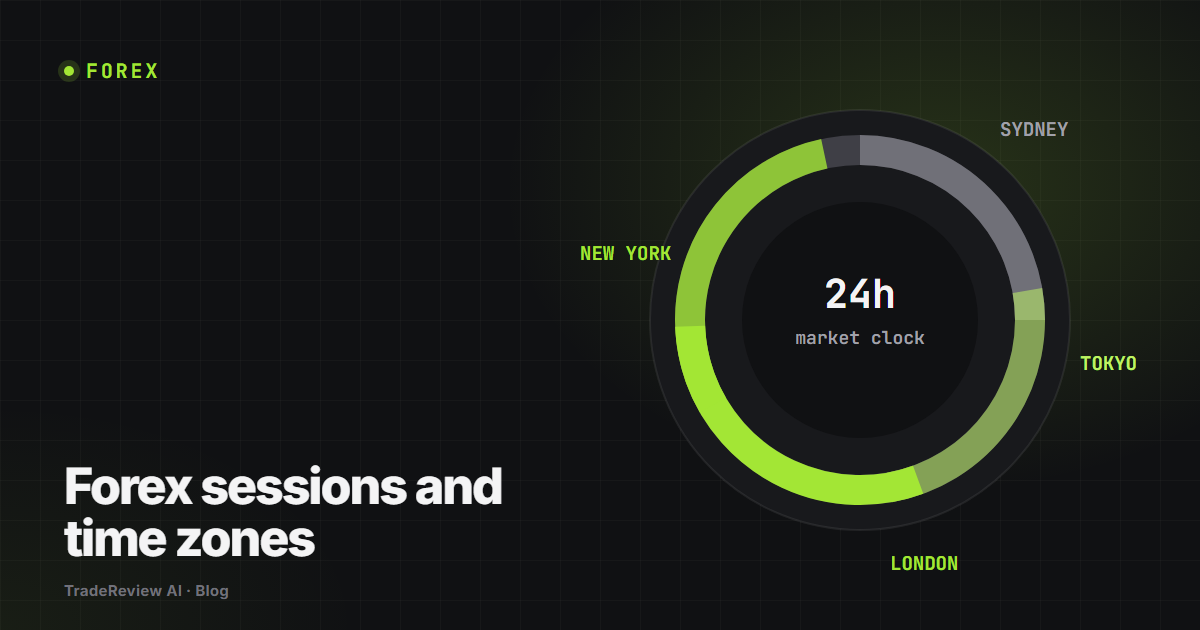
Forex sessions and time zones for journal review
London, New York, Asia, broker time, local time, and UTC can get messy. This article shows how to keep reviews clear.